
If you're evaluating manufacturers to build your medical carts, you've probably run into one question over and over in RFPs, audits, and vendor conversations: is this manufacturer ISO 13485-certified?
That single certification tells you more about a potential partner's reliability than almost any other line item on their spec sheet. Here's what it means, why it matters specifically for medical carts, and what to ask before you sign a contract.
The Short Answer: ISO 13485
ISO 13485 is the international standard that governs quality management systems (QMS) specifically for the medical device industry. It's not a general manufacturing standard; it was written for organizations involved in the design, production, installation, and servicing of medical devices and related services.
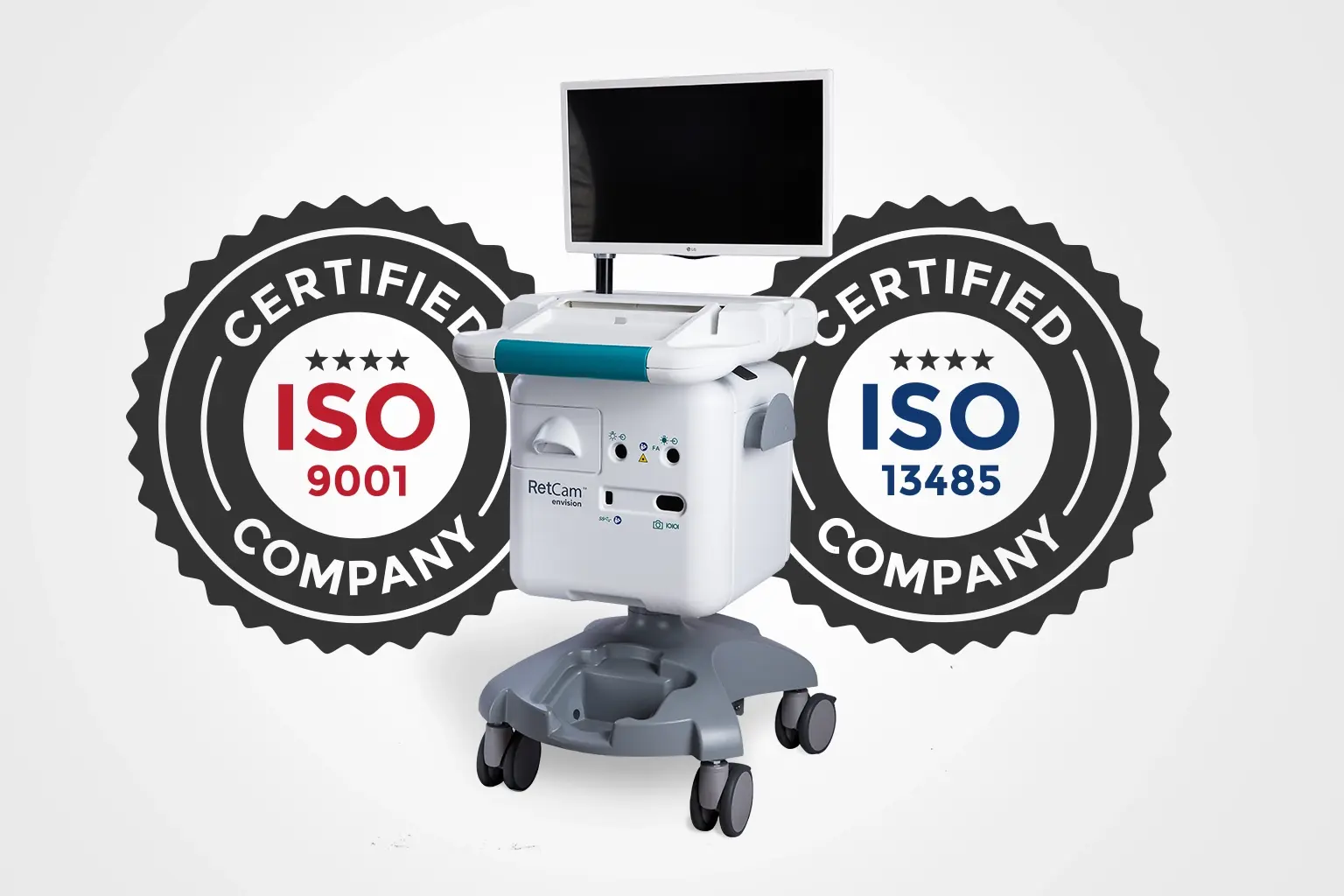
If a manufacturer tells you they're "ISO certified" but can't specify 13485, ask them which standard they actually hold. ISO 9001 (general quality management) is a fine baseline, but it doesn't address the medical-device-specific requirements around risk management, traceability, sterile environments, or regulatory documentation that matter for equipment used in patient care settings.
Why This Matters for Medical Carts Specifically
Medical carts aren't just furniture. Depending on their use case, they may:
- House electrical equipment and batteries (power carts, telemedicine carts, workstations on wheels)
- Carry medications requiring secure, auditable storage
- Support life-critical situations, like crash carts used during codes
- Need to meet infection-control standards for cleanable, non-porous surfaces
- Integrate with hospital IT systems, monitors, or diagnostic devices
A manufacturer operating under ISO 13485 has documented processes for design controls, risk management (typically aligned with ISO 14971), supplier qualification, and corrective action — all of which reduce the chance that a design flaw, material defect, or process error ends up in a clinical environment. For a hospital or health system doing due diligence, this certification is often a non-negotiable line item in vendor qualification.
ISO 13485 vs. ISO 9001: What's the Difference?
| ISO 9001 | ISO 13485 | |
|---|---|---|
| Scope | General quality management, any industry | Medical device industry specifically |
| Regulatory focus | Customer satisfaction, continual improvement | Regulatory compliance and risk management |
| Risk management | Encouraged | Required, often tied to ISO 14971 |
| Documentation requirements | Moderate | Extensive, with full traceability |
| Recognized by regulators (FDA, EU MDR) | No | Yes |
If your medical carts will house or interface with regulated devices, or if you plan to sell into hospital systems that require documented supplier quality, ISO 13485 is the standard to look for.
If you're sourcing a manufacturer to build medical carts, ISO 13485 certification is the single best signal that they understand the regulatory, documentation, and risk-management standards that hospitals and health systems expect. It won't tell you everything about fit, cost, or design capability, but it's the baseline that separates a general fabricator from a manufacturer built for healthcare.
When you're comparing quotes, don't just ask "are you ISO certified" — ask which standard, request the certificate, and dig into how their QMS actually shows up in their day-to-day production process.